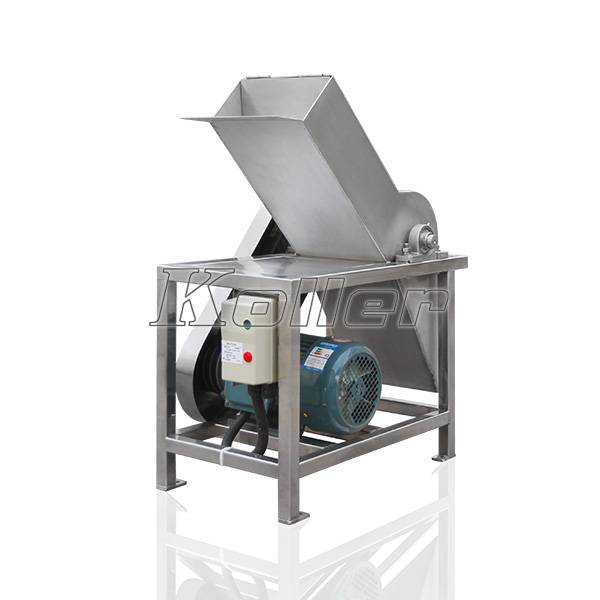
Concrete temperature control is essential for projects where heat generated during hydration can affect construction quality. Industrial ice machines for concrete cooling provide a reliable way to supply ice for mixing and temperature management.
This guide explains how different ice machine types and capacities match various construction needs, helping buyers evaluate suitable cooling solutions for their projects. With customized industrial ice-making systems, Koller supports customers in developing efficient and reliable concrete cooling solutions.
Why Industrial Ice Machines Are Used for Concrete Cooling
Concrete temperature control plays an important role in maintaining quality during construction. Industrial ice machines provide a stable cooling source for different concrete production and construction needs.
Controlling Heat During Concrete Hydration
When cement reacts with water, the hydration process generates heat that naturally increases concrete temperature. For projects with strict temperature requirements, excessive heat buildup can affect concrete performance and create challenges during the curing process.
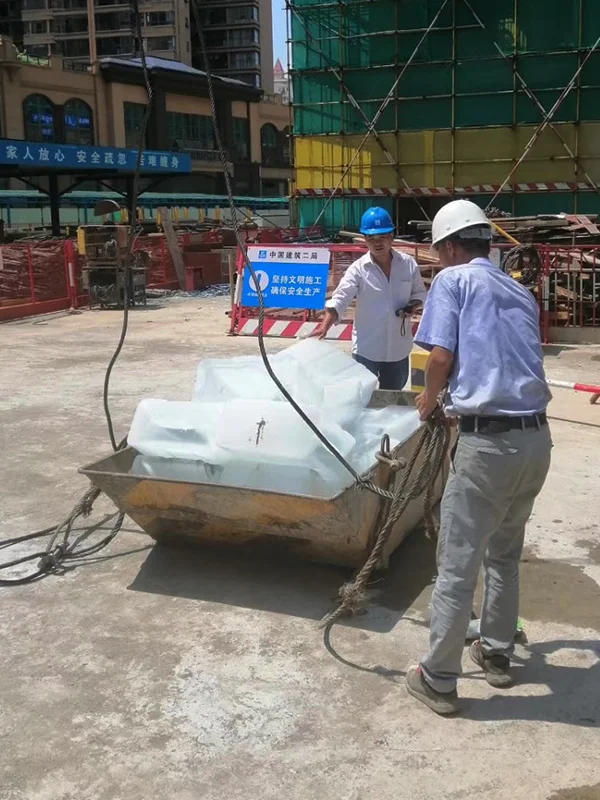
Adding ice during concrete mixing helps reduce the initial temperature of the concrete mixture before placement. Compared with temporary cooling methods, آلات صنع الثلج الصناعي can provide a continuous supply of ice, helping concrete producers maintain more consistent temperature control throughout daily operations.
Supporting Consistent Temperature Control During Construction
Concrete cooling requires more than reducing temperature at the mixing stage. Construction conditions, production schedules, and weather changes can all influence cooling requirements, making a stable ice supply important for continuous operations.
Industrial ice machines allow concrete plants and contractors to adjust ice production according to actual project demands. Factors such as concrete volume, target temperature, and working conditions should be considered when determining the required cooling capacity, helping improve efficiency and avoid unnecessary resource use.
Types of Industrial Ice Machines for Concrete Cooling
Different ice machines offer different cooling characteristics for concrete production and construction needs. Understanding these differences helps buyers match ice solutions with specific project requirements.
| نوع الجليد | Core Advantages | Suitable Applications |
|---|---|---|
| فليك الجليد | Fast heat exchange, high cooling efficiency, continuous ice supply | Concrete plants and projects requiring rapid temperature reduction |
| الجليد الأنبوبي | Standardized shape, easy storage, convenient handling | Industrial cooling applications with storage and transportation needs |
| كتلة الجليد | Slow melting, long storage time, flexible transportation | Applications requiring extended cooling duration |
فاخرة آلات الجليد for High-Efficiency Concrete Cooling
Flake ice machines are widely used in concrete cooling applications because of their efficient heat transfer performance. The thin and irregular ice flakes provide a large contact area, allowing them to absorb heat quickly when mixed with concrete materials.
Key advantages include:
- Large contact area: Improves heat exchange efficiency and helps reduce concrete temperature faster.
- Fast cooling performance: Supports projects that require quick temperature reduction during concrete production.
- Continuous ice supply: Provides stable cooling support for concrete plants and construction operations.
Tube Ice Machines for Specific Cooling Requirements
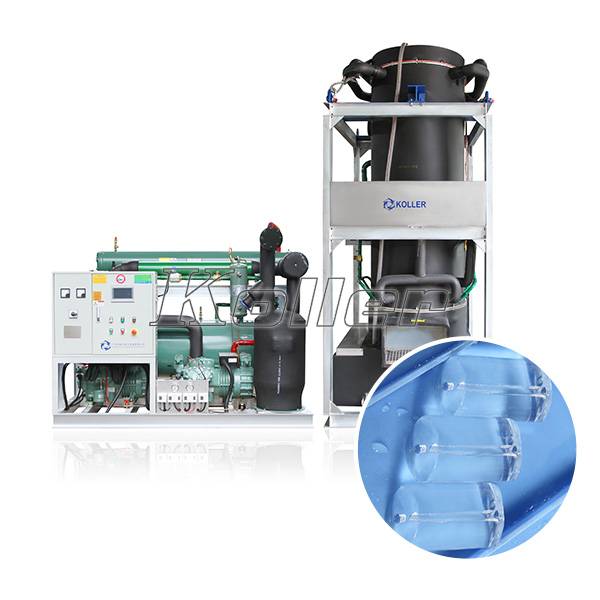
Tube ice machines produce cylindrical ice with a consistent shape and size, offering advantages in storage, مواصلات, and handling. While they are not the primary choice for every concrete cooling application, they can support industrial projects where ice management and storage flexibility are important.
Key advantages include:
- Standardized ice shape: Makes ice storage, مواصلات, and handling more convenient.
- Longer melting duration: Helps maintain cooling performance when ice needs to remain available for longer periods.
- Flexible storage options: Suitable for applications that require organized ice delivery and management.
Block Ice Machines for Long-Term Cooling Needs
Block ice machines produce large ice blocks with a slower melting rate, making them suitable for applications where ice needs to be stored and used over an extended period. Their larger size allows easier long-term storage and transportation compared with smaller ice types.
Key advantages include:
- Transportation flexibility: Allows ice delivery to locations where immediate production is not available.
- Slow melting performance: Provides longer-lasting cooling compared with smaller ice forms.
- Long storage capability: Suitable for projects where ice needs to be prepared and stored in advance.
How to Choose Industrial Ice Machine Capacity for Concrete Cooling
The required ice production capacity depends on concrete volume, temperature targets, and project conditions. Evaluating these factors helps ensure the ice machine can provide sufficient cooling performance while maintaining efficient operation.
Calculate Ice Demand Based on Concrete Production Volume
The amount of ice required is closely related to concrete production volume and cooling requirements. Projects with higher concrete output usually need a larger ice supply to maintain consistent temperature control during mixing and placement.
When estimating ice demand, buyers should consider several key factors:
- Concrete production volume: Larger amounts of concrete require more ice to achieve the desired cooling effect.
- Target concrete temperature: Lower temperature requirements may increase the amount of ice needed during mixing.
- Cooling method: Different ice types and cooling processes can influence overall ice consumption.
A suitable ice machine capacity should match the actual production demand rather than simply choosing the largest available model. This helps avoid insufficient cooling capacity or unnecessary energy costs.
Consider Temperature Requirements and Construction Conditions
Temperature requirements can vary depending on project location, climate, and construction conditions. Hot weather, high ambient temperatures, and large concrete structures may increase cooling demand during operation.
Before selecting an ice machine, buyers should evaluate:
- Ambient temperature: Warmer environments may require additional ice production to maintain stable concrete temperatures.
- Project requirements: Different construction projects may have specific temperature control standards.
- Operating conditions: Working hours, production schedules, and available space can affect equipment requirements.
Considering these factors helps ensure the cooling system performs reliably under actual working conditions.
Match Ice Production Capacity with Project Schedule
The required ice production capacity should also match the project timeline and daily operation schedule. Continuous concrete production may require an ice machine that can maintain a stable supply over extended working periods.
For projects with changing production demands, flexible capacity planning can provide better efficiency. Companies should consider daily ice consumption, peak production periods, and future expansion needs when planning their cooling solution.
With different capacity options available, industrial ice machines can support various concrete cooling applications, from smaller production needs to large-scale construction operations. A customized capacity assessment helps ensure the equipment matches both current requirements and long-term project goals.
KOLLER Industrial Ice Machines for Concrete Cooling
Applications of Industrial Ice Machines in Construction Cooling
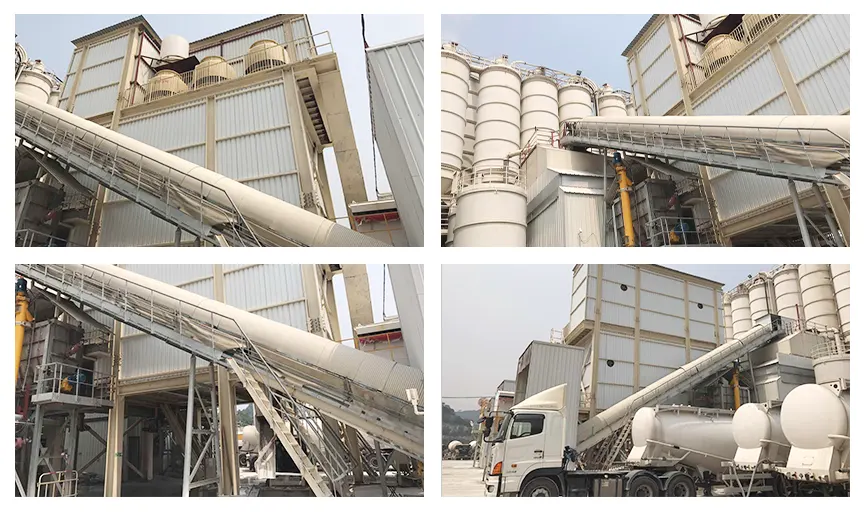
Industrial ice machines support a wide range of concrete cooling applications, from major infrastructure projects to daily concrete production operations.
Dam and Hydropower Construction
Dam and hydropower projects usually involve large concrete volumes and long construction periods. During continuous pouring operations, maintaining stable concrete temperature becomes an important part of project management.
ماكينات صناعة الثلج can provide a consistent ice supply for these projects, supporting concrete cooling requirements during large-scale construction activities. Their production capacity can be adjusted according to project volume and operational needs.
Bridge and Large Infrastructure Projects
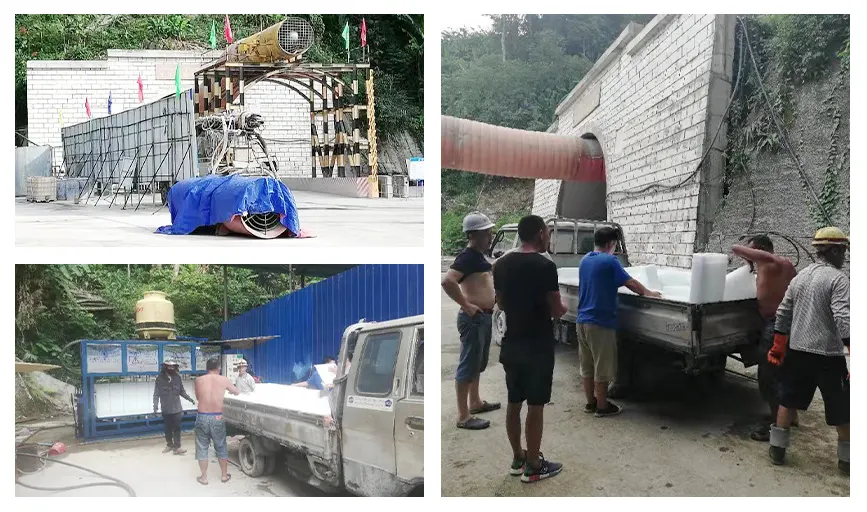
Bridge foundations, tunnels, and other infrastructure projects often face changing construction conditions, including seasonal temperature variations and different pouring schedules.
In these applications, a reliable ice supply helps contractors maintain stable cooling performance throughout the construction process. The required ice production capacity may vary depending on concrete volume, project timeline, and local working conditions.
Ready-Mix Concrete Production Plants
Ready-mix concrete plants need continuous and reliable cooling support because they produce concrete for multiple construction projects on a regular basis.
By integrating آلات صنع الثلج الصناعي into the production process, concrete suppliers can maintain consistent mixing conditions and respond more efficiently to customer requirements. Flexible ice production capacity also allows plants to adjust cooling output based on daily production demand.
Key Factors When Selecting an Industrial Ice Machine
Beyond ice production capacity, factors such as operating efficiency, installation conditions, and ice handling requirements also influence the performance of an industrial ice machine.
Production Capacity and Operating Efficiency
The ice machine should provide a stable supply that matches the concrete cooling demand of each project. While capacity is an important factor, buyers should also consider how efficiently the machine operates during continuous production.
وتشمل الاعتبارات الرئيسية:
- Production stability: Ensures a consistent ice supply during concrete cooling operations.
- كفاءة الطاقة: Helps reduce operating costs during long-term use.
- Maintenance requirements: Supports reliable performance and easier equipment management.
A suitable machine should balance cooling demand with operating efficiency to provide consistent performance throughout the project lifecycle.
Installation Space and Operating Conditions
The installation environment can directly affect equipment performance and daily operation. Before purchasing an industrial ice machine, buyers should evaluate whether the available space and site conditions meet the equipment requirements.
Important factors include:
- Available space: Determines machine placement and installation arrangement.
- مزود الطاقة: Ensures the equipment can operate under local electrical conditions.
- Climate conditions: Ambient temperature may influence cooling efficiency.
Considering these factors in advance helps avoid installation issues and supports smoother operation after delivery.
Ice Storage and Delivery Requirements
Different construction projects may have different requirements for ice storage and transportation. Some sites need immediate ice supply, while others may require storage solutions to support flexible usage schedules.
Key factors include:
- سعة التخزين: Determines how much ice can be kept available before use.
- Delivery distance: Affects how ice moves from the machine to the cooling point.
- Usage schedule: Helps determine whether additional storage or delivery systems are needed.
A complete cooling solution should consider not only ice production but also how the ice will be stored, transported, and used on site.
افكار اخيرة
Effective concrete cooling depends on matching the right ice solution with project requirements, including ice type, القدرة الإنتاجية, and operating conditions. Industrial ice machines for concrete cooling provide a reliable way to support stable temperature control across different construction applications.
كولر provides customized industrial ice-making solutions based on each project’s cooling needs, from equipment selection to capacity planning. اتصل بـ Koller to discuss your concrete cooling requirements and find a suitable ice production solution for your operation.
الأسئلة المتداولة
What type of ice machine is best for concrete cooling?
The most suitable ice machine depends on project requirements, including cooling speed, concrete volume, and operating conditions. Flake ice machines are commonly used for concrete cooling because they provide fast heat transfer and efficient temperature reduction. Other ice types, such as tube ice and block ice, can also be considered based on storage, مواصلات, and cooling needs.
How much ice capacity is required for concrete cooling?
The required ice production capacity depends on factors such as concrete volume, target temperature, ambient conditions, and production schedule. Projects with higher concrete output or stricter temperature requirements usually need higher ice production capacity. A proper capacity assessment helps ensure reliable cooling performance without unnecessary operating costs.
Can industrial ice machines be used for ready-mix concrete plants?
نعم. Industrial ice machines can provide a stable ice supply for ready-mix concrete plants that require consistent temperature control during production. The equipment capacity can be matched with daily concrete output, production schedules, and cooling requirements to support efficient plant operations.
What is the difference between flake ice and block ice for concrete cooling?
Flake ice provides faster heat transfer because of its large surface area, making it suitable for applications that require quick temperature reduction. Block ice melts more slowly and offers longer storage time, which can be useful when ice needs to be stored or transported before use.
Can Koller customize industrial ice machines for concrete cooling projects?
نعم. Koller provides customized industrial ice-making solutions based on different concrete cooling requirements, including ice production capacity, installation conditions, and project applications. Customized configurations help customers develop reliable cooling solutions for construction projects and concrete production facilities.